
Access Consultants: essential, not optional.
Written by: Andrew Sanderson, Director Architecture & Access
Typically, project leadership is undertaken by the architect, or alternatively by a project manager working from the architect’s design framework. This leadership extends to all aspects of the project, including accessibility—an essential component of successful design. Accessibility is not an afterthought; it is embedded within the early design intent and progressively refined through collaboration between access consultants, architects, engineers, and key stakeholders.
However, we are finding that more projects are being delivered through the Design and Construct (D&C) procurement route. This model can offer benefits, including:
- Cost certainty early in the project lifecycle, as the contractor commits to a fixed price sooner
- Shorter delivery timeframes, with overlapping design and construction phases
- Single point of responsibility, potentially reducing disputes between designer and builder
Despite these advantages, there are notable downsides—particularly in relation to the provision and quality of accessibility outcomes.
Where Challenges Arise for Accessibility
Under a traditional procurement model, accessibility considerations are typically developed in detail during design phases, with ongoing input from specialist accessibility consultants. In contrast, the D&C model can result in:
1. Loss of Design Intent
Accessibility features developed during concept design may be diluted or altered during the contractor-led detailed design phase. If accessibility is not clearly documented and contractually embedded, it may be treated as flexible rather than essential.
2. Value Engineering Pressures
D&C contracts often involve cost-driven decision-making during design development. Accessibility elements—such as circulation space, detailed wayfinding strategies, higher-quality fittings, or inclusive amenities, may be reduced or simplified to meet budget constraints if they are not seen as compliance-critical.
3. Minimum Compliance Approach
There can be a shift toward achieving only the minimum requirements of relevant standards (such as the NCC or AS 1428), rather than striving for best practice or universal design outcomes. This risks delivering buildings that technically comply but do not provide functional, equitable or dignified access outcomes.
4. Reduced Specialist Engagement
Access consultants are sometimes engaged later in the process, or on a limited review basis, rather than as part of an integrated design team. This reduces their ability to influence spatial planning, user experience, and holistic accessibility outcomes.
5. Fragmentation of Responsibility
While D&C promotes a single point of responsibility, in practice accessibility can become “everyone’s and no one’s” responsibility. Without clear ownership and accountability for access outcomes, issues may emerge late—often during certification or post-occupancy—when changes are costly or impractical.
Where This Leaves Accessibility
The downside from the provision of accessibility in a project is that it can become reactive rather than proactive. Instead of being embedded as a core design principle, accessibility risks being treated as a compliance checklist item.
This shift has real consequences:
- Reduced usability for people with disability
- Missed opportunities for inclusive design innovation
- Increased likelihood of retrofits or complaints post-completion
- Potential reputational and legal risks for project stakeholders
Moving Forward – How Architecture & Access Can Help?
To safeguard accessibility outcomes within a D&C environment, Architecture & Access recommends several crucial approaches:
- Clearly defining accessibility requirements in the client’s project brief and performance specifications
- Embedding access consultants early and throughout the process, including during contractor novation
- Documenting design intent thoroughly, particularly for key access features
- Requiring peer review or independent certification of accessibility outcomes
- Promoting universal design principles, not just minimum compliance
Summary
While Design and Construct procurement can deliver efficiencies, it introduces inherent risks to accessibility outcomes if not rigorously controlled. These risks cannot be effectively mitigated without the early and ongoing involvement of a qualified and experienced access consultant.
Accessibility is not a one-off consideration—it requires continuous interpretation, coordination, and verification as design and construction evolve.
When the access consultant is reduced or removed from the project, it directly jeopardises the integrity of the accessibility outcomes, increasing the likelihood of compromised design intent, non-compliance, and environments that fail to meet user needs.

We regularly support Design and Construct projects by responding to ongoing queries and providing continuous guidance to protect and uphold accessibility outcomes. This continuity is not optional—it is essential. Without it, accessibility too often becomes diluted into minimum compliance, resulting in buildings that may satisfy regulations on paper, but ultimately fail the people who rely on them.
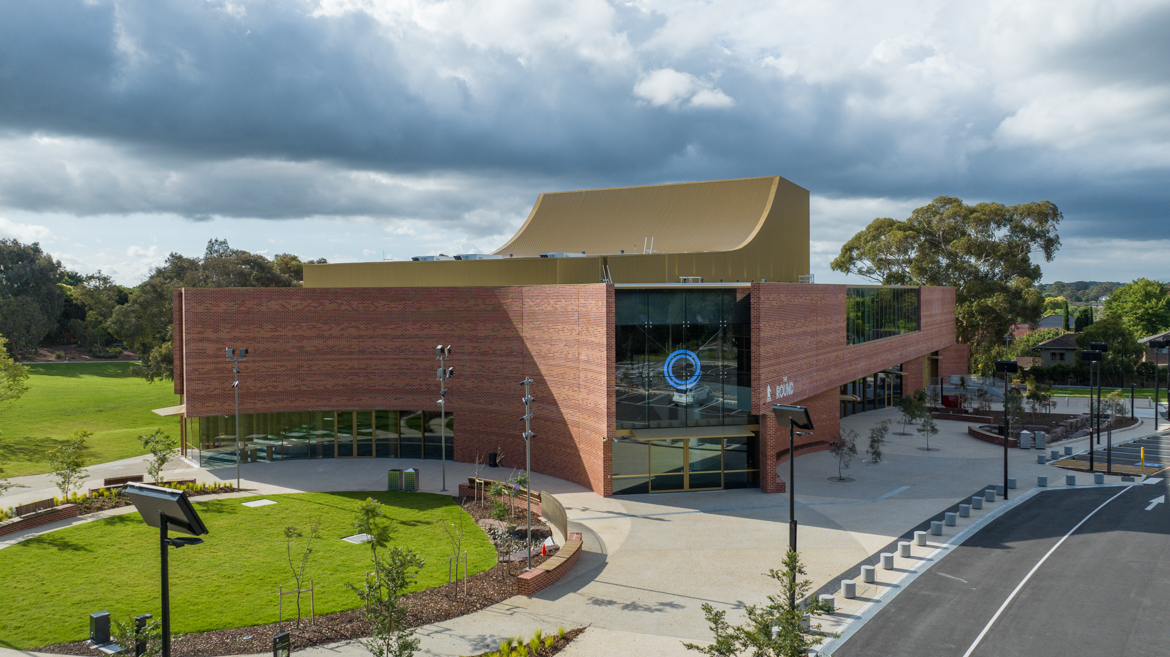
Feature image: Whitehorse Performing Arts Centre – A close collaboration with the Architecture team and then with the builder. We attended site to solve an access issues in a timely and constructive manner, always considered project costs and how to achieve the best outcome to support access and inclusion for all users. Image credit: @kane.multimedia
Image 1: Bennetts Lane – An excellent example of how thoughtful relationship between the developer, architect, builder and access consultant can produce environments that are compliant and reinforces the importance of early engagement in achieving inclusive, intuitive and future-ready accessibility outcomes. Image credit: Jing Khong and provided by The Perri Group